Coastal Market Days: A Month-by-Month Local Guide
October 30, 2026 - Local Guides

October 30, 2026 - Local Guides
October 29, 2026 - Local Guides
October 25, 2026 - Local Guides
October 23, 2026 - Sea Views
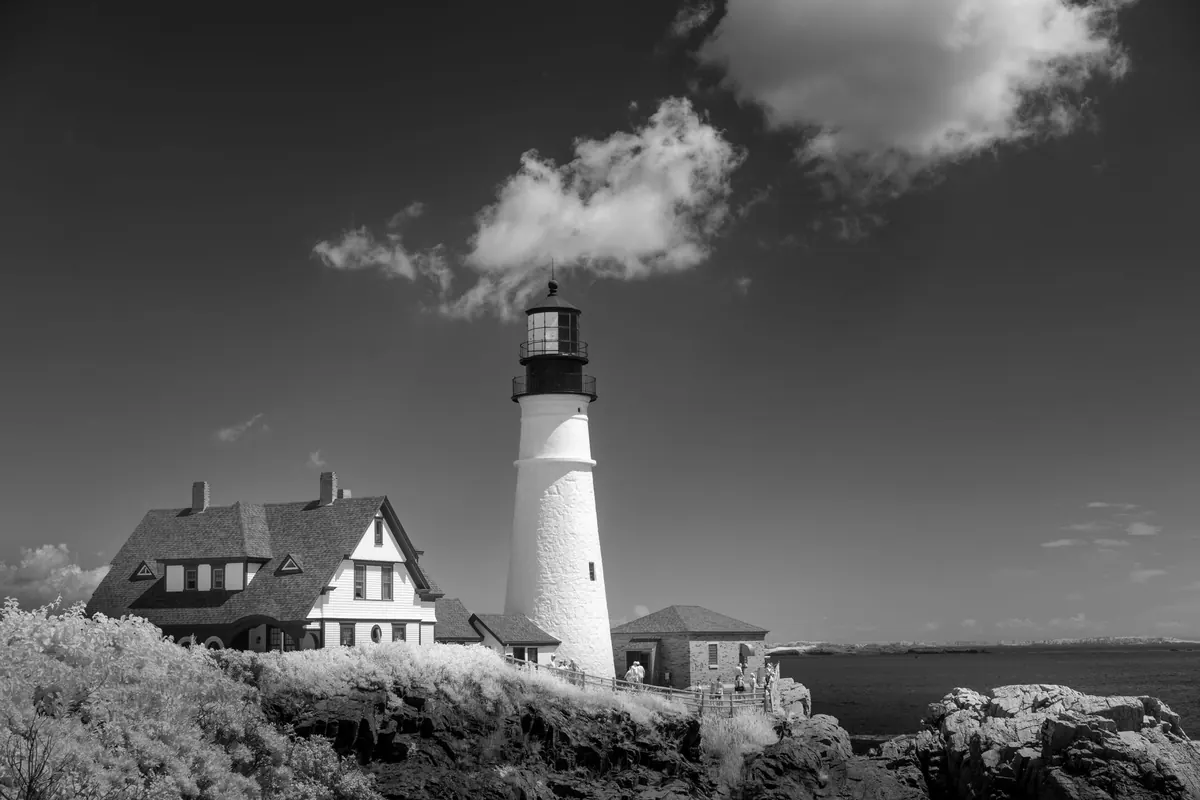
A keeper's cottage looks, in photographs, like the simplest holiday imaginable: white walls, a blue door, and nothing between you and the sea but a strip of grass. That part is true. What the photographs leave out is the water pressure, the forty-minute drive for milk, the wind that arrives sideways for three days straight, and the village that shuts at seven. None of it is a reason to stay away. It is simply the shape of the holiday, and it helps to know the shape before you book.
Most of these buildings were put up as working accommodation for lighthouse crews, sometimes for two or three families at once. That history shows. Rooms are small and sensible rather than generous, ceilings sit lower than you expect, and windows were positioned to watch the sea rather than to flood a sofa with afternoon light.
Restoration has been done by lighthouse authorities, coastal conservation trusts, private owners and, in a few cases, local communities. Standards vary enormously as a result. One cottage comes with underfloor heating and a coffee machine; the next has a wood stove, a cold tap over the sink and a note asking you not to run the kettle and the shower together. Neither is a con. They are different holidays.
Assume the fundamentals are covered: beds, a working kitchen, hot water, some form of heating. It is everything at the margins that decides whether you have an easy week or a memorable one. Water pressure is the classic complaint. Old pipework and a long supply line mean a shower that is hot but tentative. If two showers back to back matter to you, ask.
Power is the second variable. Off-grid cottages run on solar, a generator or both, which means charging devices in daylight and accepting that a cloudy third day has consequences. Wifi, where it exists, is often a satellite link with a modest data cap. Mobile coverage can be excellent on a headland and nonexistent in the dip behind it.
People book these places for the quiet and then discover what quiet costs. The track in is often single-lane with passing places, and reversing two hundred metres into a gateway becomes a daily skill. A handful of cottages are reached on foot; a few need a boat crossing with a timetable that does not care about your plans.
Small adjustments make all the difference. Shop for the first two days before you leave the main road, not after. Arrive in daylight. Download the map and directions rather than trusting a signal at the coast. Tell someone your arrival plan and when you expect to be out of contact. And check whether the nearest neighbour is twenty metres or two kilometres away, because that changes how loudly you let the children out in the morning.
Coastal buildings are built for wind, which means you will hear it. Loose gates bang, rain hits the glass sideways, and fog can erase the view you paid for by ten in the morning. Some guests find three days of it exhilarating. Others find it long. If you are in the second group, book a shorter stay first and check whether there is a decent stove and a stack of fuel.
Pack for the coast rather than for the forecast: layers, waterproof boots, a warm hat, a head torch, and something to do that does not need a screen. Expect swollen doors, a fine film of salt on the windows, and clothes that feel faintly damp until the sun comes out.
Take local advice on tides, cliff paths and swimming rather than judging by the look of the water, and build a spare day into the journey home if a storm is forecast.
These properties are few, and the good ones go early. For a summer week at a popular light station — the Atlantic edges of Ireland and Scotland, Brittany, the Portuguese coast, remoter stretches of Maine and Nova Scotia — start looking six to twelve months ahead. Expect a minimum stay of three to seven nights and fixed changeover days; weekend-only bookings are rare in high season.
The better-value window is the shoulder: late spring and early autumn. Rates drop, the weather turns more dramatic, and you may have the headland to yourself. Winter lets exist and can be extraordinary, but check heating costs and whether the access road is maintained.
Read the cancellation terms properly. Bad weather is rarely a refundable event, and a cancelled ferry is usually your problem rather than the owner's. A flexible rate or travel insurance is worth more here than on a city break. Confirm what the deposit covers, whether there is a cleaning fee, and how any damage is handled.
Do that, and the cottage does the rest. The reward is a morning where the only decision is whether to walk the headland before or after breakfast, and a night so dark that the beam from the tower is the brightest thing in the world.
Photo: Skyler Ewing / Pexels
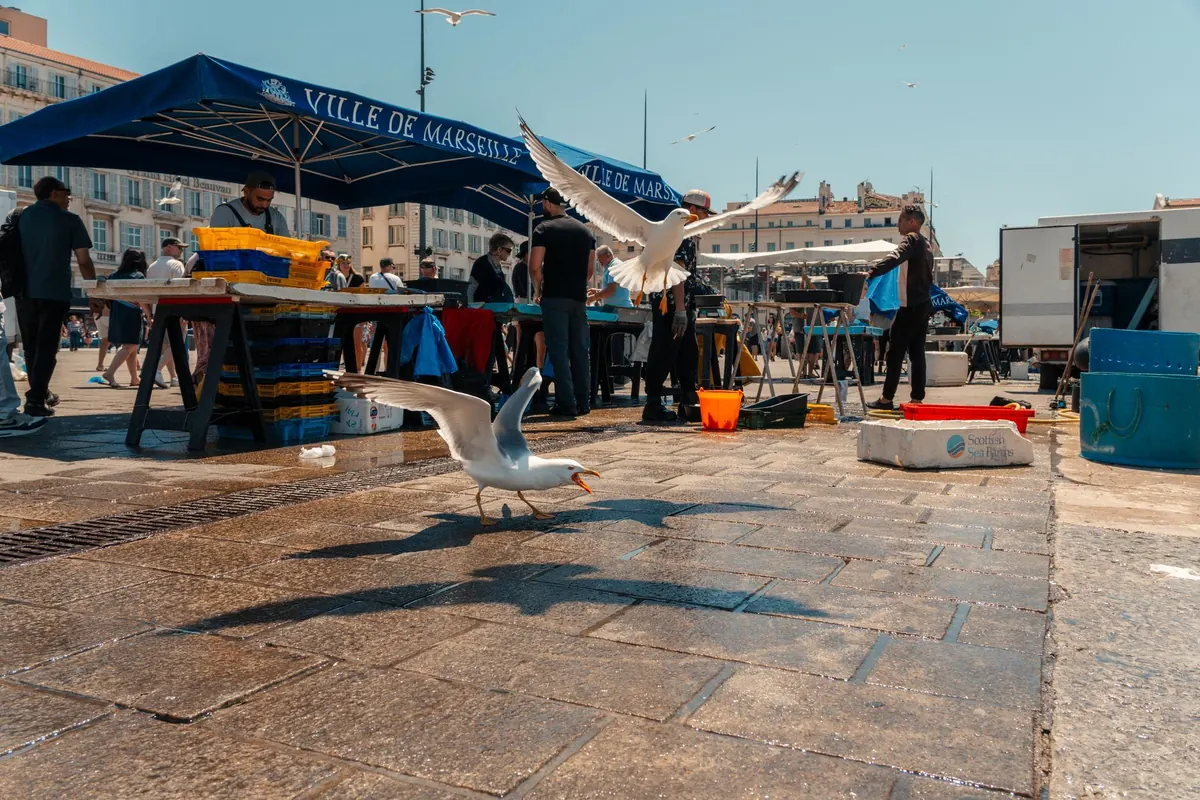
A month-by-month tour of coastal markets — what each season puts on the stalls, when to arrive, and which nearby...
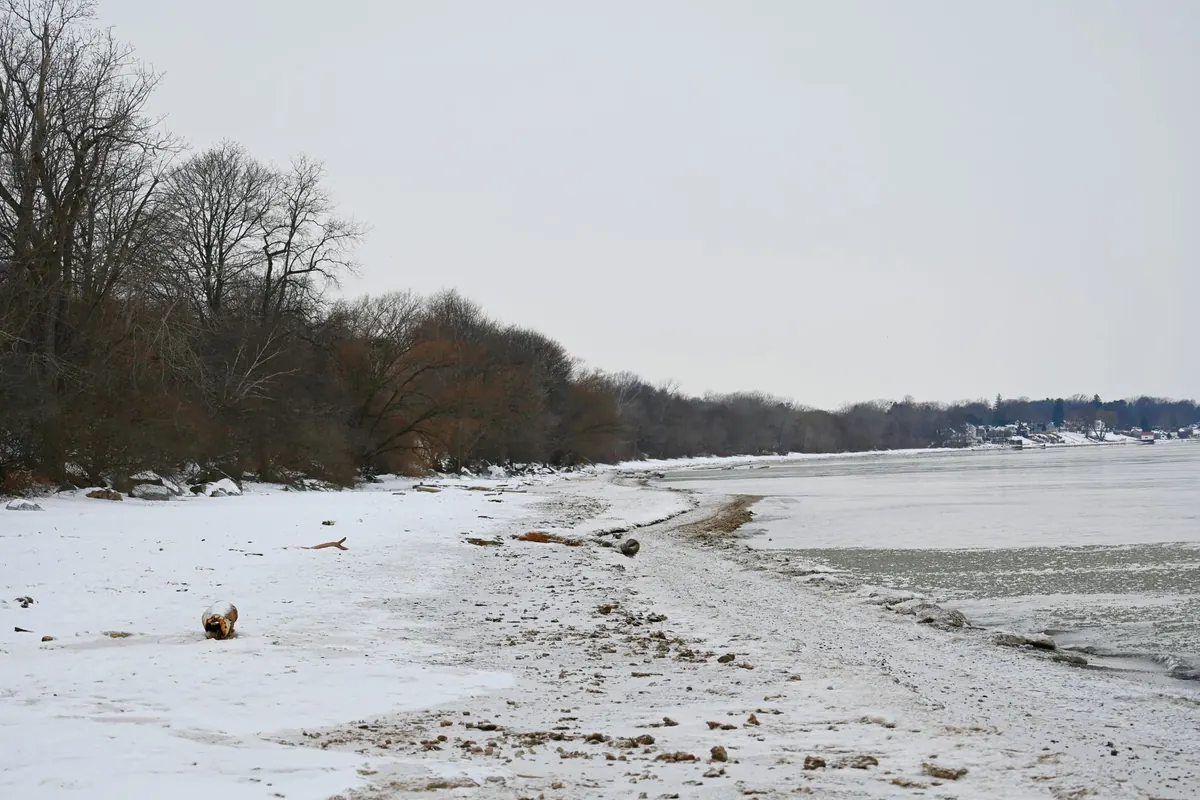
Winter strips coastal towns back to bakeries, ferries and empty headlands. A practical guide to what closes, when,...
October 30, 2026 - Local Guides
October 29, 2026 - Local Guides
October 25, 2026 - Local Guides
Copyright © 2026 Faro Viva. All Right Reserved.