Coastal Market Days: A Month-by-Month Local Guide
October 30, 2026 - Local Guides

October 30, 2026 - Local Guides
October 29, 2026 - Local Guides
October 25, 2026 - Local Guides
October 23, 2026 - Sea Views
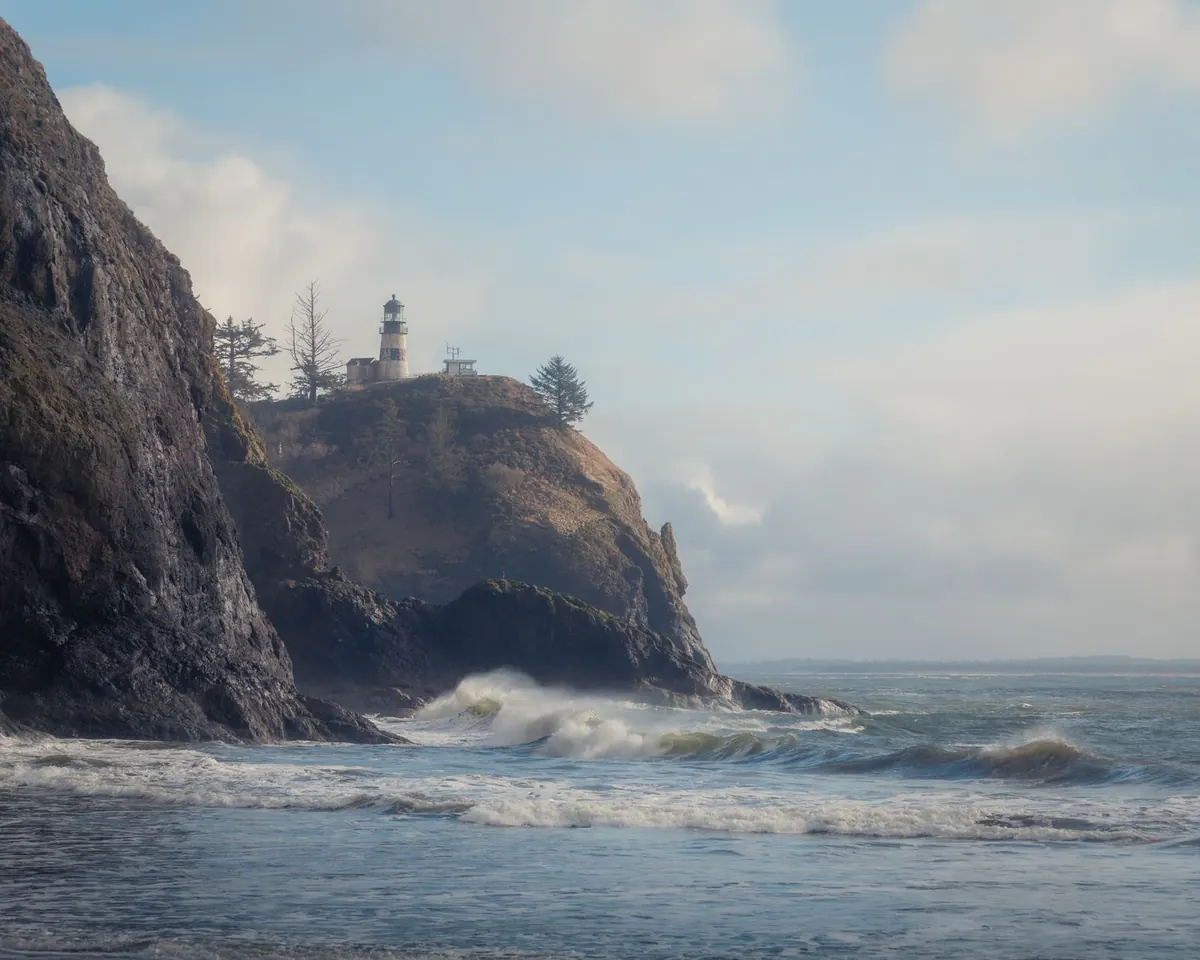
There is a particular sound at the top of a lighthouse: wind pressing on glass, a lamp turning above your head, the sea somewhere below doing something you can only guess at. That is the reward for the stairs. But getting there takes a little planning, because a lighthouse that still guides ships is a piece of working infrastructure first and a visitor attraction second. Opening hours bend around maintenance, weather and the people on duty. Here is how to arrange a visit properly, and how to behave once the door swings open.
Not every lighthouse is open, and the ones that are open are not run by the same kind of organisation. In many countries the structure itself belongs to a maritime authority — a general lighthouse authority, a coast guard, a port authority — while tours are delivered by a local heritage trust, a friends' group, a museum or a volunteer keeper association. That split matters, because the booking page, the safety rules and the cancellation policy all come from whoever actually holds the door key.
Start with the operator's own website or phone line, not a third-party listing. Aggregator pages are often years out of date and cheerfully advertise climbs that stopped when a lantern was rewired. Look for three things: whether the tower is currently open, whether you can go inside or only around the base, and whether access is by land or by boat. A lighthouse on a tidal causeway may be reachable only for a couple of hours either side of low water; one on a small island depends on a ferry that runs when the sea allows.
Once you have found the right operator, the process is usually simple but has a few places where people come unstuck. Work through it in this order.
The staircase inside a lighthouse is not a staircase in the ordinary sense. It is a spiral of cast iron or stone, often damp, sometimes steeply pitched, with treads that vary in depth and handrails that switch sides. Dress for that, not for the beach photo you are hoping to take at the top.
Lighthouses are among the least accessible historic buildings you can visit. Steps are the whole point of the architecture. Expect between roughly thirty and two hundred of them depending on the tower, plus a narrow final ladder or hatch into the lantern room. Headroom is low in places, landings are small, and the whole interior can feel tight for anyone uneasy in enclosed spaces.
Many operators set minimum ages or heights for children, and some do not allow very young children at all. If you have heart or breathing conditions, joint problems, vertigo or a fear of heights, speak to the operator before booking and, where it matters, to a doctor — the climb is more demanding than it looks from the ground. A sensible compromise is to let one member of the group wait at the base or on a lower landing; most guides are happy to arrange this if you ask in advance. Dogs are generally not permitted, with the exception of assistance dogs, which you should confirm when booking.
Remember that the light is still doing a job. Keepers, technicians and coast guard staff may be on site, and their work takes priority over your tour. Do not touch equipment, open doors that are closed, or wander into rooms that are not part of the route. If a guide asks the group to wait on a landing while something is checked, wait.
On the stairs, keep to one-way traffic and let descending visitors pass at the wider landings. Keep voices low — sound carries strangely in a stone cylinder, and someone below is always listening. Drones are commonly restricted near lighthouses and coastal wildlife sites, so leave yours at home unless you have checked and been given permission.
Photography is usually welcome, but turn the flash off near the lens and keep tripods off the stairs. A tripod on a spiral staircase is a trip hazard for everyone behind you.
Take your rubbish away with you, stay on marked paths, and respect nesting birds on cliffs and walls — a closed section of the site is not an invitation to find another way round. If the tour is run by volunteers, a donation is a decent thank-you.
Confirm the opening status on the operator's own page, not a listing site. Book ahead and note the meeting time. Wear closed-toe shoes and take a windproof layer. Check the tide if the tower sits on a causeway, and the forecast if access is by boat. Ask about age and height limits before promising a climb to a child. Carry water, leave the drone, and plan something else to do if the wind gets up. Do all that and the stairs become the good part — the climb, the hatch, the sudden bright room at the top, and the sea laid out exactly as the keepers saw it.
Photo: Ken Cheatham / Pexels
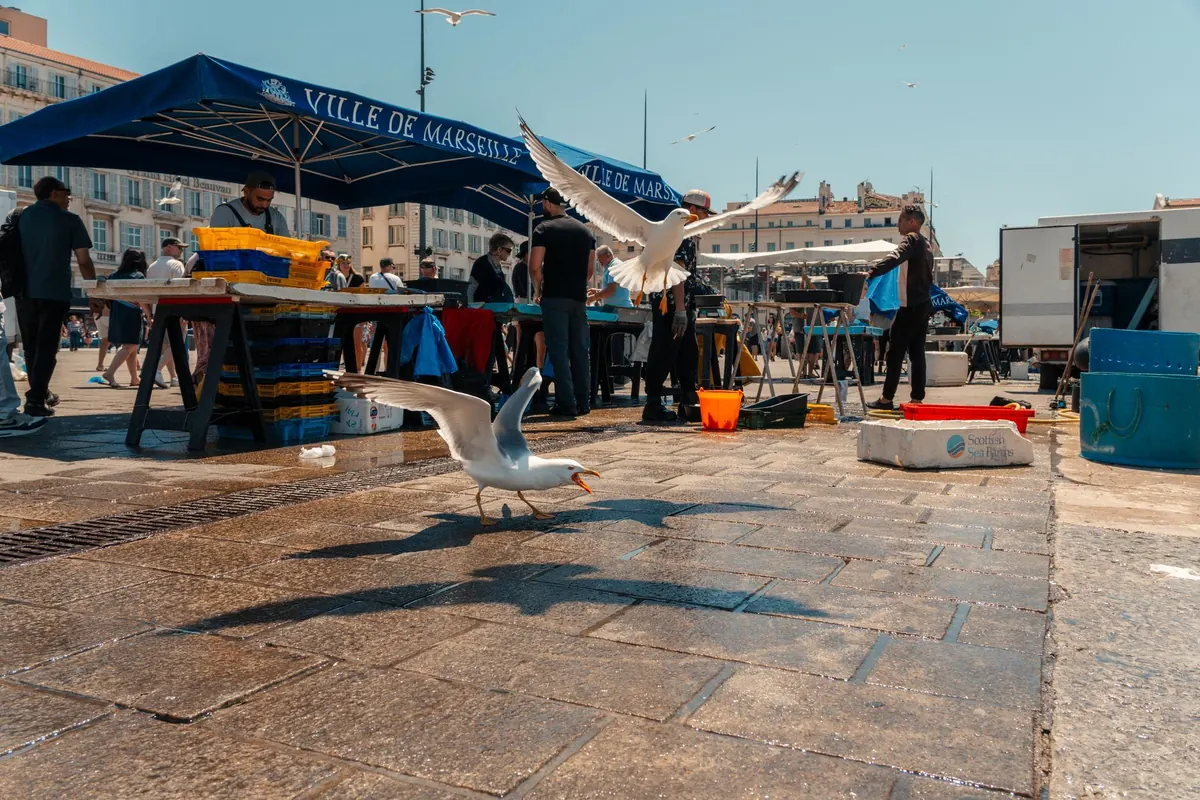
A month-by-month tour of coastal markets — what each season puts on the stalls, when to arrive, and which nearby...
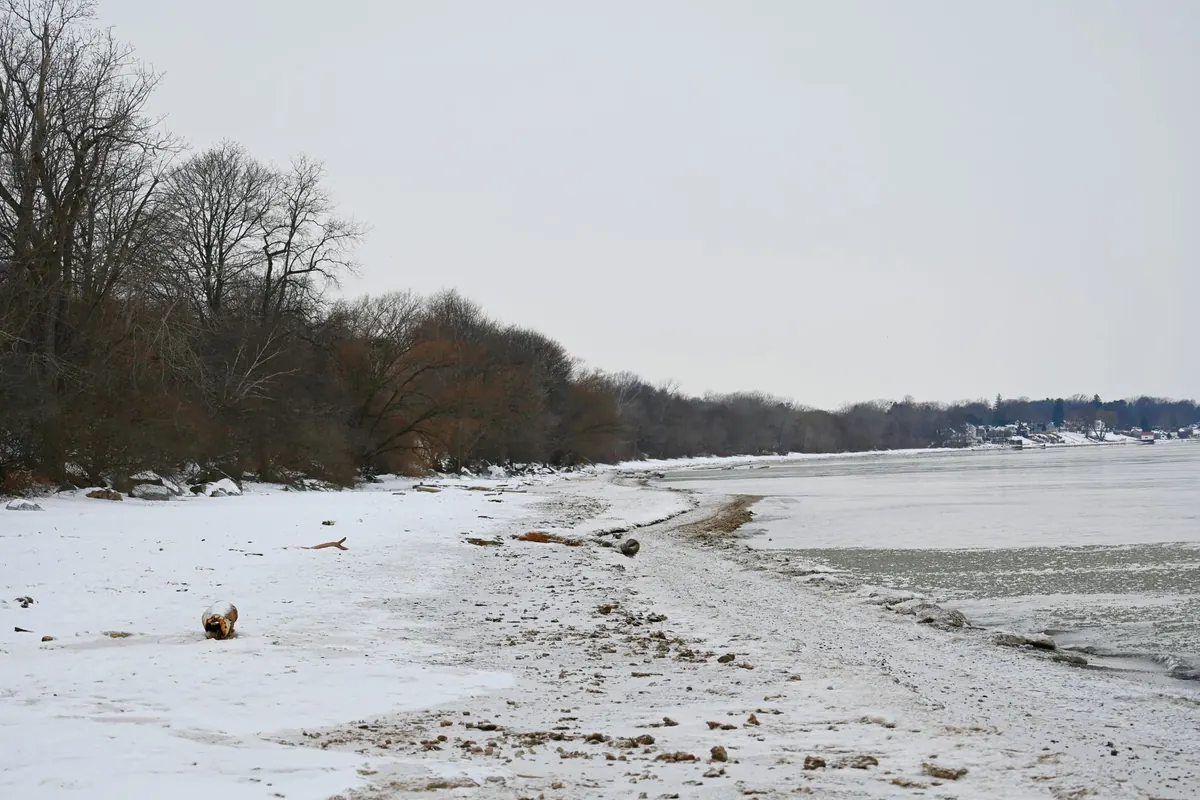
Winter strips coastal towns back to bakeries, ferries and empty headlands. A practical guide to what closes, when,...
October 30, 2026 - Local Guides
October 29, 2026 - Local Guides
October 25, 2026 - Local Guides
Copyright © 2026 Faro Viva. All Right Reserved.