Coastal Market Days: A Month-by-Month Local Guide
October 30, 2026 - Local Guides

October 30, 2026 - Local Guides
October 29, 2026 - Local Guides
October 25, 2026 - Local Guides
October 23, 2026 - Sea Views
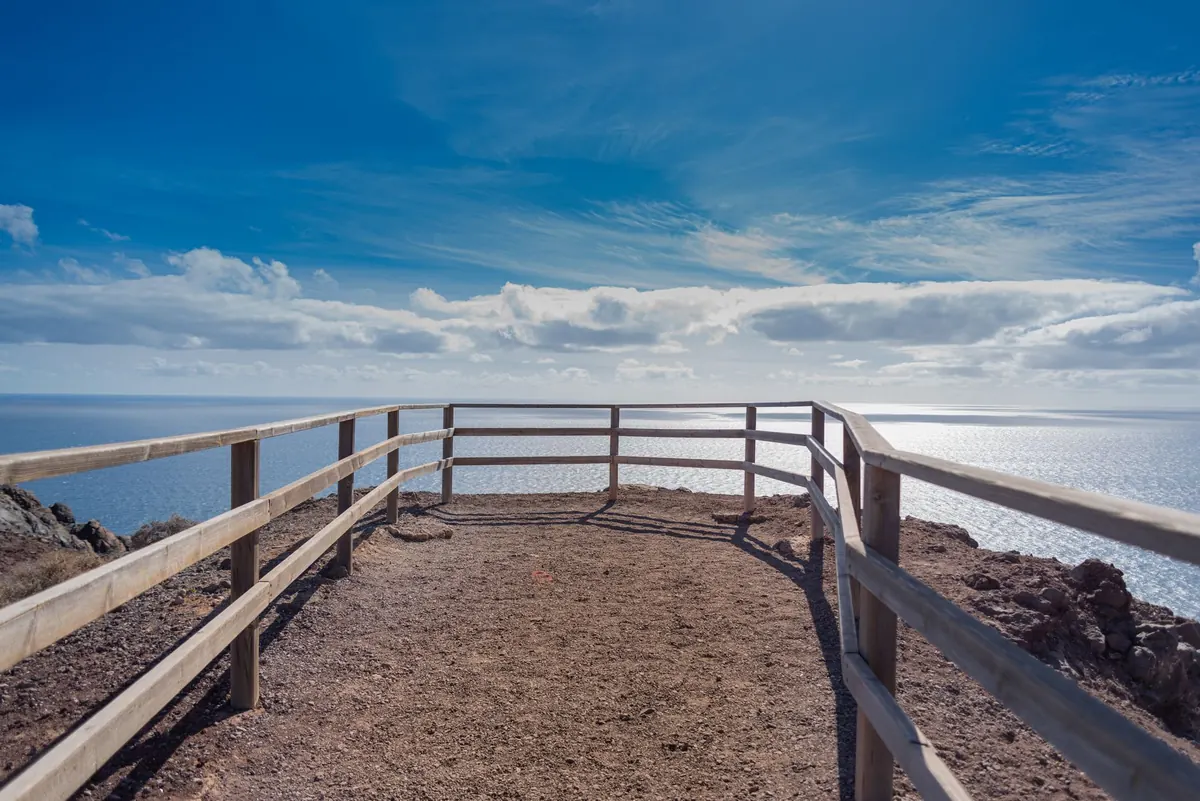
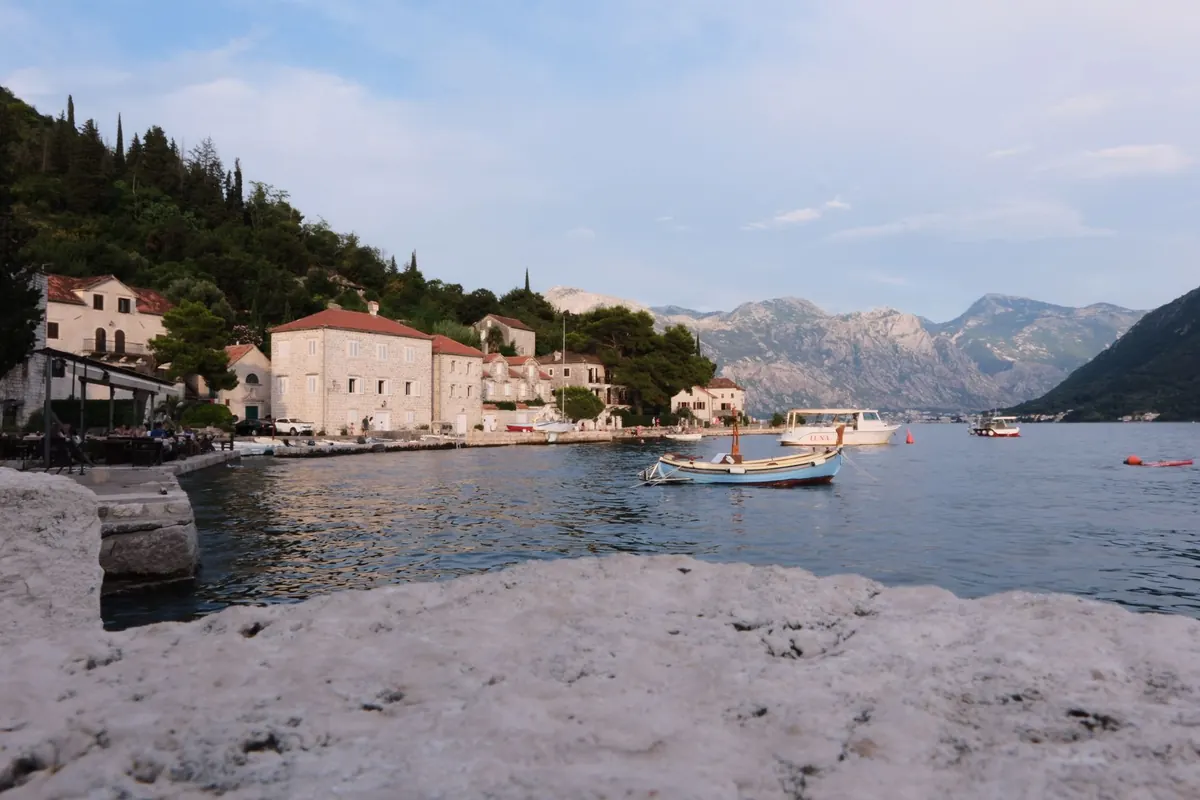
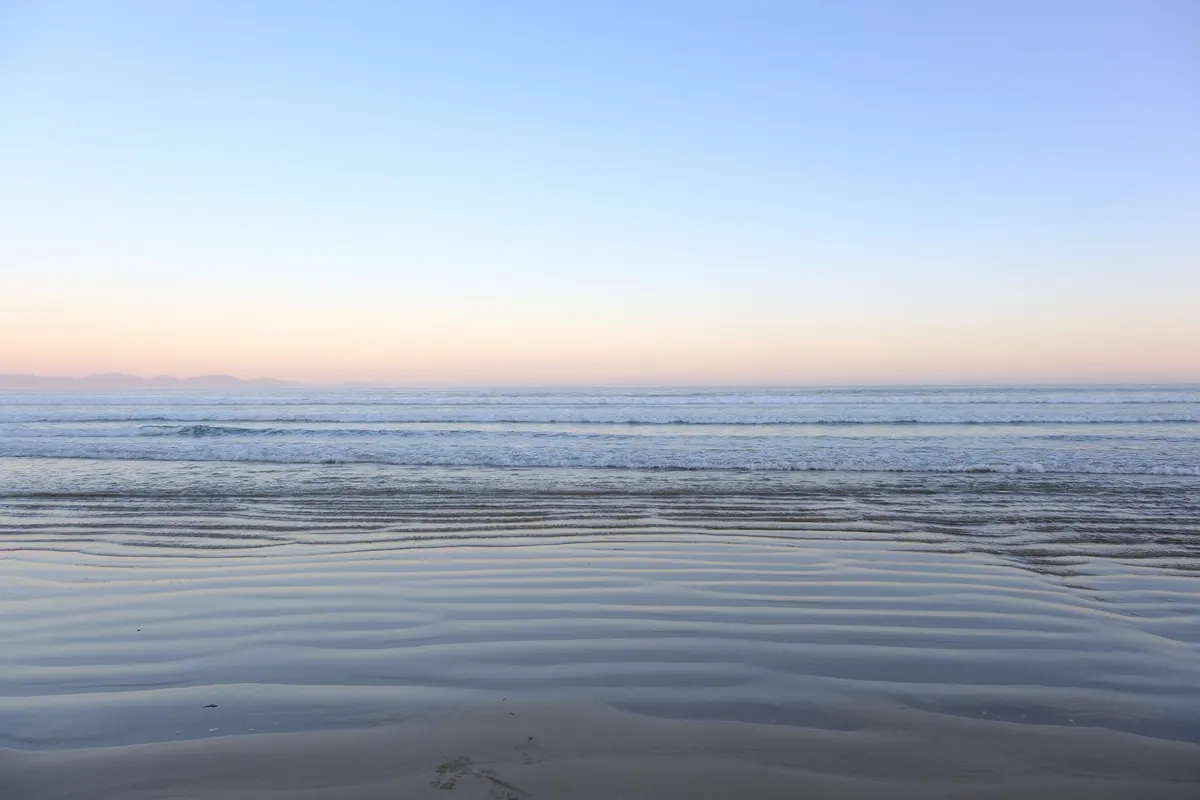
You do not need to sweat for a good sea view. Along most of the Mediterranean coast, the finest panoramas sit within a few minutes of a car park, a bus stop or a flat promenade — and quite often at the end of a terrace table with a coffee going cold beside you. The trick is knowing which kinds of places to look for. There are the cliff roads with widened lay-bys, the seaside promenades built for evening strolls, the town belvederes that have been polished for a century, and the lifts and ferries that quietly do the climbing on your behalf. What follows are the reliable categories, with examples that hold up in person, and the details worth checking before you set out.
On stretches like the Amalfi Coast road, the corniche above Marseille or the coast road north of Taormina, the asphalt itself is the viewpoint. The road was cut into the cliff for exactly this reason, and the engineers left room for the view at intervals. Your job is simply to find those intervals and use them well.
Watch for signs reading belvedere, mirador or vista panoramica. Local road signs are more honest than guidebooks: if a lay-by is marked, it is usually wide enough for two cars and set back from the traffic lane. Pull in fully, keep your wheels straight, and walk the last few metres to the railing rather than stopping half in the road. Skip anything on a blind bend, however spectacular, and never block a farm gate or a bus stop — that is how lay-bys get closed.
Light matters more than location. East-facing bays are best in the morning, west-facing ones in the late afternoon, and the middle of a summer day flattens everything into glare. If you are driving a coastal route, plan the drive so the best-known viewpoints fall at the right end of the day.
Every serious coastal town has one stretch of level ground between the buildings and the water, and it is almost always the easiest big view in town. Livorno's Terrazza Mascagni is a vast checkerboard of black and white paving with a low balustrade over the sea. Genoa's Corso Italia runs for a couple of kilometres above the rocks at Boccadasse. Split's Riva is a straight line of palms and benches along the harbour. Nice has its Promenade des Anglais, Barcelona its Barceloneta waterfront.
These are not consolation prizes for people who cannot hike. They are where locals go in the evening, and they come with everything a viewpoint needs: benches, shade, a fountain, a kiosk selling something cold, and a surface you can walk on in ordinary shoes. Go an hour before sunset, walk to the far end away from the car parks, and sit facing the water rather than the town.
Many coastal towns have one official balcony over the sea, and it is usually a short walk from the main square. Sorrento's Villa Comunale is a garden terrace on the cliff above the marina, reached on the flat from Piazza Tasso. Taormina's Piazza IX Aprile gives you the sea on one side and Etna on the other. Polignano a Mare has a balconata above the beach; Tropea has its affaccio looking down on Santa Maria dell'Isola; Trieste has the Molo Audace, a stone pier you can stroll out onto with the city behind you.
Look for the word belvedere on town maps, and also for the local alternatives: a castle terrace, a churchyard with a view, the roof bar of a hotel that welcomes non-residents for a drink. Hotel terraces are underrated. A single coffee or an evening spritz often buys you the same panorama that others queue for, and the seats are better.
Some of the best views come with machinery attached. Nice's Parc du Château, on the hill between the old town and the port, can be reached by lift instead of stairs. Genoa has public lifts climbing from the old town to Castelletto, opening onto a terrace over the roofs and the port. Dubrovnik's cable car rises from just outside the walls to Mount Srđ. On Capri, a chairlift from Anacapri carries you to the top of Monte Solaro without a single step of trail.
Lisbon is the master of this: trams and funiculars haul you up to miradouros such as Graça and Santa Luzia for the price of a transit ticket. Barcelona and Montjuïc work the same way. Check seasonal hours before you build a day around one — many run shorter schedules in winter and close in strong wind — and buy tickets at the lower station rather than from anyone approaching you in the queue.
The coastline always looks better from offshore, and scheduled ferries are the cheapest viewing platform on the coast. The boats along the Amalfi and Sorrento coasts, the ferries linking the Cinque Terre villages, the commuter crossings in the Gulf of Naples, the little Lisbon ferries to Cacilhas: all of them give you cliffs, harbours and lighthouses from an angle no road can match.
Sit on the top deck, take the outside seat, and choose a crossing that lasts long enough to be worth the boarding. A short hop across a bay is often enough. If you are prone to seasickness, pick a calm morning and a larger vessel, and remember that the return trip gives you the other side of the coastline for free.
Three things decide whether a viewpoint is memorable or merely fine. The first is light: the hour after sunrise and the hour before sunset beat noon every time, and a hazy summer afternoon can erase an island that is plainly there in the morning. The second is wind — a stiff onshore breeze clears the haze but empties terraces, so carry a layer even in July. The third is crowds, which follow cruise schedules and coach timetables. Popular belvederes are quiet before about half past nine and after five; midday is when the coaches arrive.
Shoulder seasons are kinder in every respect: easier parking, softer light, and space at the railing. If you are visiting in high summer, treat the viewpoint as a morning or evening errand and spend the middle of the day swimming or indoors.
None of this requires fitness, equipment or an early start. A car park above a bay, a railing at the end of a promenade, a lift to a terrace and a ferry across a harbour will show you the coast at its best. Plan around the light, leave room for a second coffee, and the walking can stay optional.
Photo: silviu rarau / Pexels
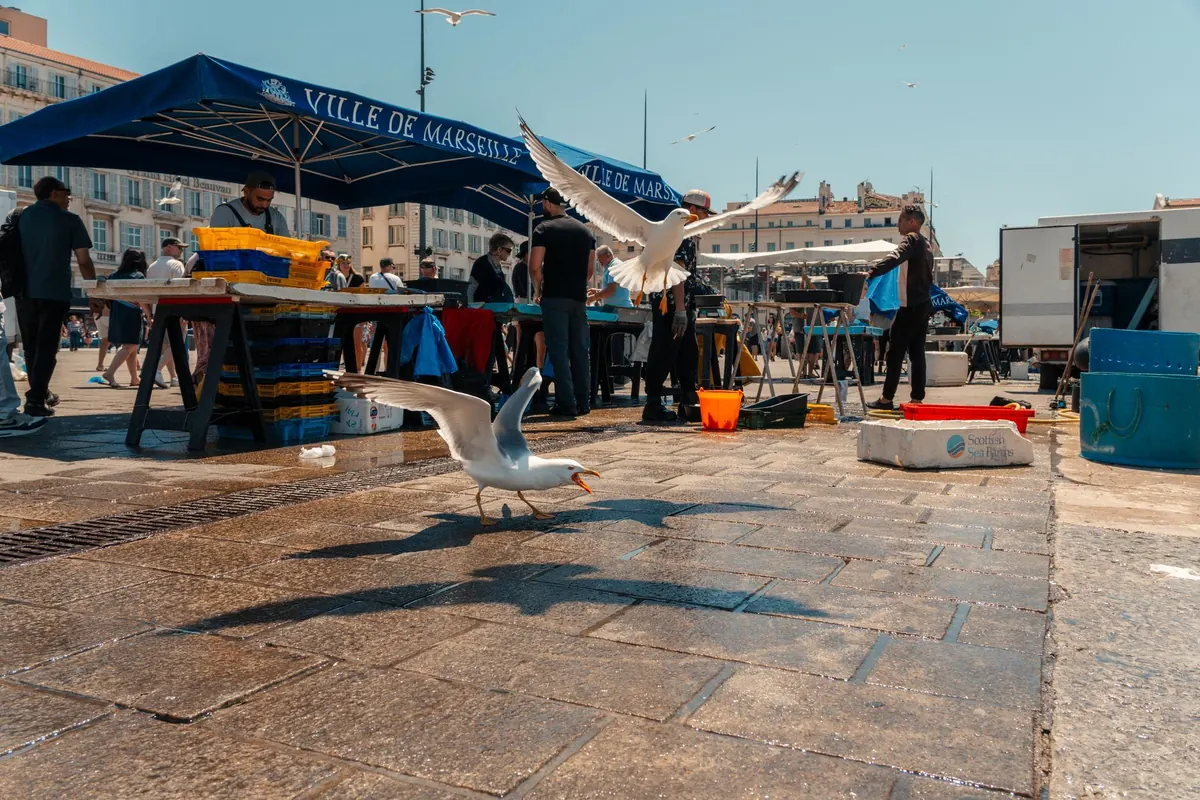
A month-by-month tour of coastal markets — what each season puts on the stalls, when to arrive, and which nearby...
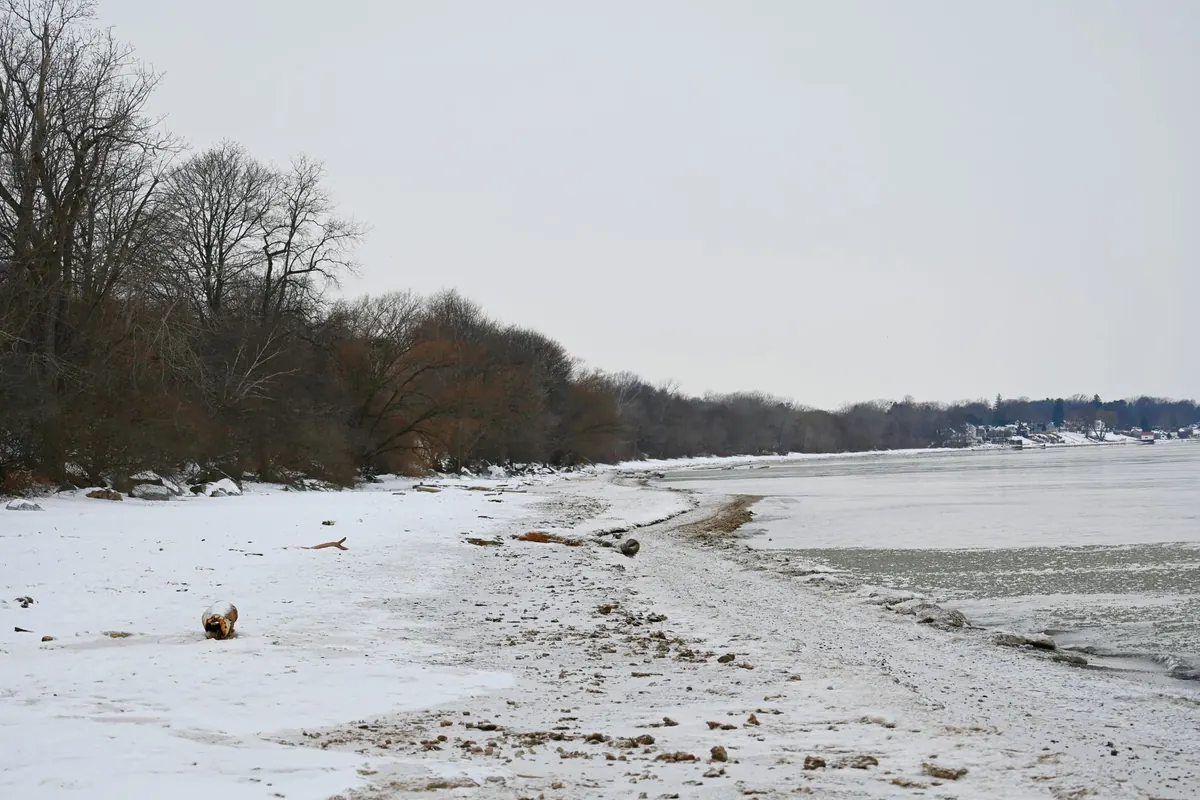
Winter strips coastal towns back to bakeries, ferries and empty headlands. A practical guide to what closes, when,...
October 30, 2026 - Local Guides
October 29, 2026 - Local Guides
October 25, 2026 - Local Guides
Copyright © 2026 Faro Viva. All Right Reserved.